

Kiviak: Greenland’s Arctic Fermented Bird Delicacy
Greenland, a land of stark beauty and harsh climates, is home to one of the world’s most extraordinary and, by some standards, stomach-churning delicacies—Kiviak. This traditional food is as much a product of necessity as it is a cultural artifact, embodying the ingenuity of the indigenous Inuit people in preserving sustenance through the long, dark winters. Made by fermenting small seabirds called auks inside a seal’s carcass, Kiviak is a centuries-old tradition that continues to be consumed during special occasions like birthdays and weddings, and was traditionally an important part of winter survival along with delicacies such as whale blubber.
In this article, we’ll delve into the fascinating history, preparation process, cultural significance, and, of course, the strong reactions Kiviak often provokes in people unfamiliar with the dish. Whether you’re intrigued or horrified, Kiviak is a unique example of how necessity and culture shape culinary traditions around the world.
1. The Origins of Kiviak: A Historical and Cultural Context
The Inuit people of Greenland have long relied on ingenuity to survive in one of the most extreme climates on Earth. Before the advent of modern conveniences like freezers, they had to find ways to preserve food during the summer months when animals were plentiful, so they could survive the long, frozen winters.
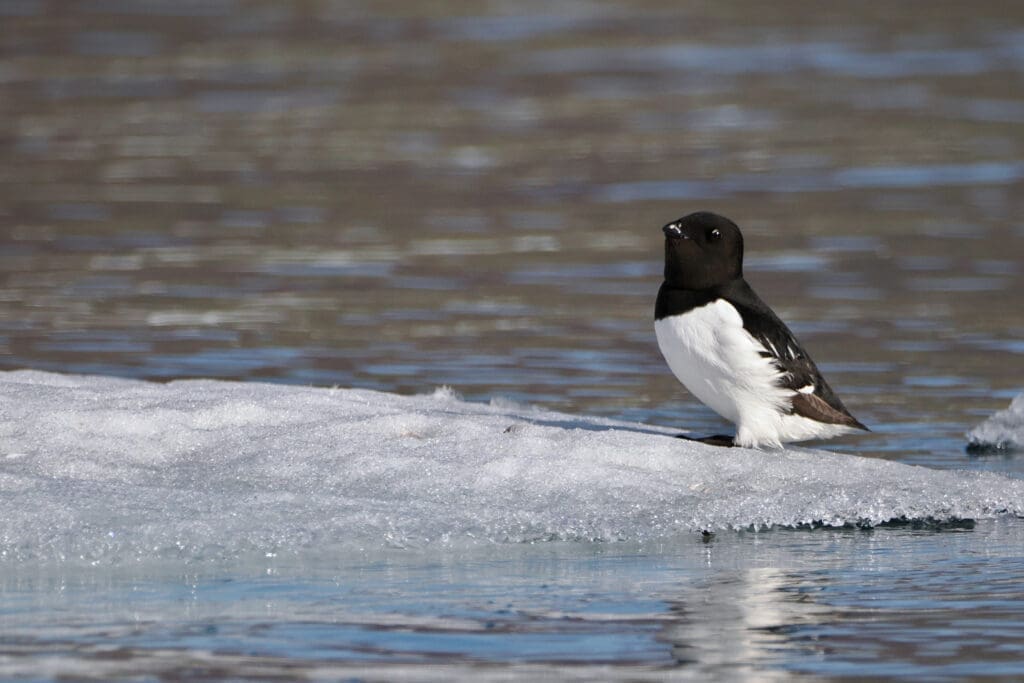
Kiviak emerged as a solution to this problem. By utilizing fermentation—a process that creates an anaerobic environment to prevent harmful bacteria from growing—the Inuit were able to store food for months without it spoiling. The dish is made from auks, specifically the little auk (Alle alle), a small seabird that migrates in large flocks to Greenland during the warmer months.
To make Kiviak, the auks are preserved in the carcass of a seal, which is sealed airtight and buried under stones to ferment for several months. The process is labor-intensive, and it requires experience to ensure the preservation is done properly and safely.
This tradition is especially popular among the Inuit of eastern Greenland, though it has been reported in other Arctic cultures as well. Kiviak is often consumed during celebrations, especially in the cold arctic winter months, when other sources of food are scarce.
2. How Kiviak Is Made: The Fermentation Process
Making Kiviak is both an art and a science, perfected over generations in the coastal communities of Greenland. Many Greenlandic inuit people see it beloved winter delicacy part of any good Greenlandic buffet, and the acquisition of the birds comes from community hunting. Here is a step-by-step overview of how it is traditionally prepared:
a) The Ingredients: Little Auks and Seals
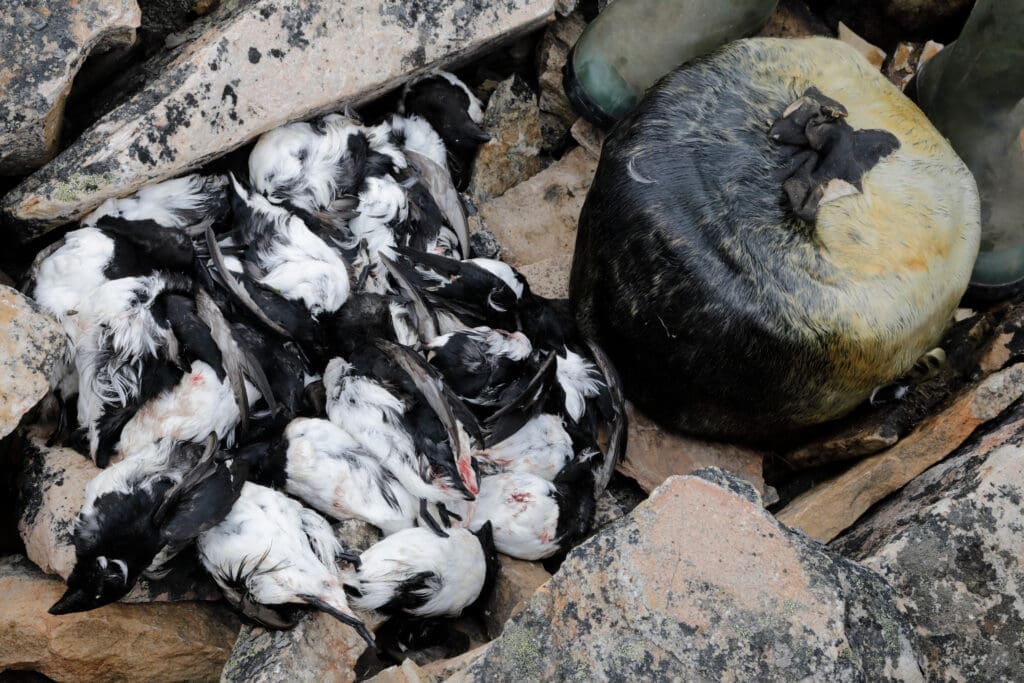
The main ingredients for Kiviak are a seal and anywhere from 300 to 500 little auks. The little auk is a migratory bird found in the Arctic, and they are caught in large numbers when they come ashore to breed. Once captured, the birds are left whole, with feathers, beaks, and claws intact—only the intestines are removed.
The other crucial component is the hollowed-out seal, typically a large one such as a ringed or harbor seal. The seal provides a natural airtight “container” for the Arctic fermentation technique.
b) Stuffing the Seal
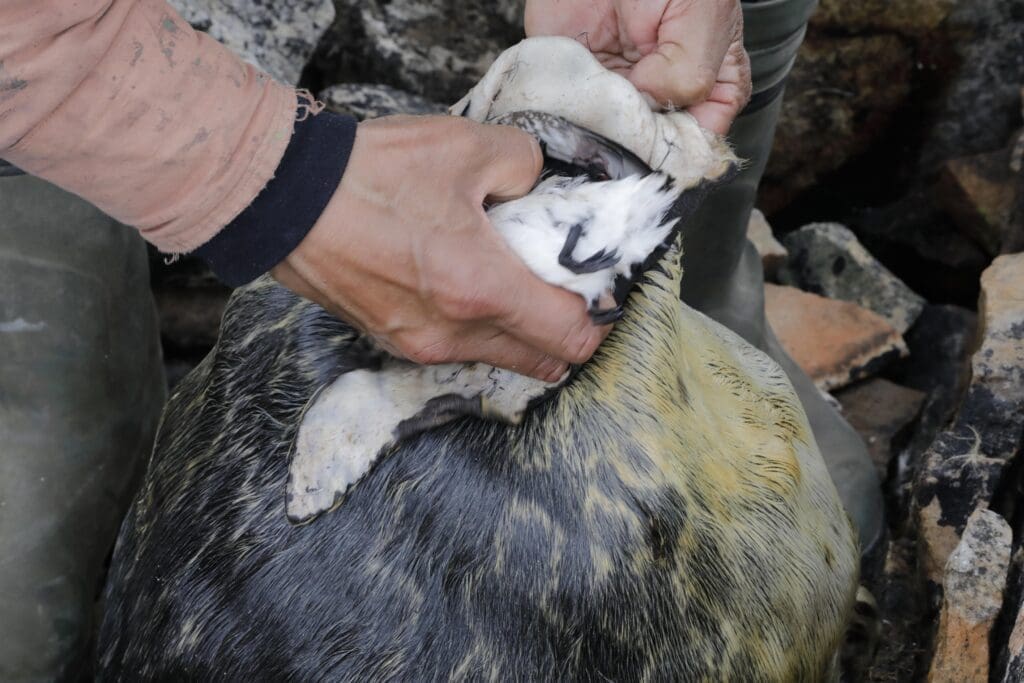
Once the seal is hunted and prepared, its body cavity is hollowed out to make space for the little auks. The dead auk birds are stuffed into the greasy seal skin, which is sewn shut, usually with the birds’ beaks pointing outward to minimize puncturing the seal’s skin during the fermentation process.
It is important that the seal is completely airtight to avoid contamination. Rocks are often piled on top of the sealed carcass, ensuring that no air can enter. The seal fat inside the dead seal further prevents a safe environment.
c) Burial and Fermentation
After the seal is stuffed with auks, it is typically buried under a pile of stones, creating a cool, stable environment for fermentation. In eastern Greenland, where temperatures remain low for most of the year, the seal is left to ferment for anywhere from three to 18 months, though six to eight months is considered ideal for the best flavor and texture.
During this time, the auks ferment in their own juices inside the airtight seal, breaking down slowly and creating the strong, pungent aroma and flavor that defines Kiviak. The fermentation process is similar to that of other preserved foods around the world, like kimchi or sauerkraut, though the ingredients used are drastically different.
3. The Experience of Eating Kiviak: An Acquired Taste
For many, the thought of eating raw, fermented birds complete with feathers and bones is daunting. However, among the Inuit, Kiviak is a revered delicacy, with a flavor profile described as rich, gamey, and deeply umami, even extra-mature cheese.
When the seal is opened after months of fermentation, the auk birds are typically eaten whole, feathers and all. The meat is tender, and the bones have softened to the point that they can be chewed and swallowed easily. The taste is strong, often compared to a very intense blue cheese, though some might find the flavor hard to describe because it is so unique.
The smell of Kiviak can be quite overpowering, especially to those unaccustomed to strong, fermented foods. Like many fermented dishes, the aroma is part of the experience, but it’s not for the faint of heart. Some compare the smell to rotting meat, which is likely why Kiviak is often considered a challenging delicacy for outsiders to appreciate.
4. Kiviak in Modern Greenland: A Tradition at Risk?
Despite its deep cultural roots, Kiviak is at risk of becoming less common among the Greenlandic Inuits. Several factors contribute to this shift, including climate change, modern refrigeration, and changes in lifestyle.
a) Climate Change and Its Impact on Kiviak
The Greenlandic Inuit rely on predictable cold weather to safely ferment Kiviak. Rising global temperatures threaten this tradition because warmer temperatures could lead to faster spoilage and the growth of harmful bacteria. As the Arctic continues to warm, some Inuit fear that their ability to safely produce Kiviak could be compromised.
b) Changing Diets and Modernization
As Greenland becomes more connected with the rest of the world, traditional diets are slowly being replaced by more modern and convenient food options. Younger generations may find themselves less interested in labor-intensive and “outdated” methods of food preparation, opting instead for packaged and frozen foods and imported raw foods.
However, Kiviak is still considered a symbol of Greenlandic Inuit identity, and efforts are being made to preserve the tradition for future generations. Many Greenlandic Inuit see Kiviak as more than just food—it represents their connection to the land, their ancestors, and their unique culture. As such, preserving Kiviak means preserving a piece of Inuit heritage.
5. Health and Safety Concerns
While Kiviak is a traditional food with deep cultural significance, it can pose health risks if not prepared properly. The fermentation process relies on creating an airtight environment where the auks can safely ferment without the risk of contamination. If the seal carcass isn’t sealed correctly, or if it is left at too warm a temperature, harmful bacteria like Clostridium botulinum could grow, leading to botulism—a serious and potentially fatal illness.
For this reason, Kiviak should only be made by those who have experience and knowledge of the process. Traditionally, Inuit elders pass down the skills required to make Kiviak, ensuring that the dish is made safely and properly. The indigenous people of Greenland have the needed experience to make this safely.
There have been occasional reports of botulism linked to Kiviak consumption, especially in warmer climates where the fermentation process can be more difficult to control. As with any traditional food that involves fermentation, careful preparation is key to avoiding health risks.
6. Comparisons to Other Fermented Foods Around the World
Though Kiviak may seem unique in its use of birds and seals, it shares similarities with other fermented foods across the globe. Fermentation has long been used as a means of preserving food, particularly in harsh climates where fresh food is not always available, and is important in many food cultures. Some other fermented food items include:
a) Hákarl in Iceland
One of the most frequently compared dishes to Kiviak is hákarl, the Icelandic delicacy made from fermented Greenland shark. Like Kiviak, hákarl involves burying the meat to ferment for several months, resulting in a pungent aroma and a strong, acquired taste. Both dishes are consumed during celebrations and are symbols of survival in harsh environments.
b) Surströmming in Sweden
Surströmming, the famously stinky fermented herring from Sweden, is another dish that shares some characteristics with Kiviak. While surströmming is fish-based and uses brine rather than an airtight seal for fermentation, it is also known for its overpowering smell and distinctive taste. Surströmming is a celebrated part of Swedish culture, much like Kiviak is for the Inuit.
c) Kimchi in Korea
Though the ingredients and flavor profiles are vastly different, Kiviak can also be compared to fermented vegetables like kimchi. In Korea, fermentation is a deeply rooted tradition, and kimchi is consumed year-round as both a side dish and a main feature in meals. Like Kiviak, kimchi is valued not only for its taste but also for its ability to preserve food for long periods.
7. Kiviak in Pop Culture and Global Awareness
Though Kiviak is little known outside of Greenland and the Arctic, it has gained some international attention in recent years. The rise of interest in unique and “extreme” foods has led to Kiviak being featured on travel shows and documentaries. Adventurous eaters who travel to Greenland are often encouraged to try Kiviak as part of experiencing Inuit culture.
Additionally, Kiviak has been included in exhibitions like the Disgusting Food Museum, where it is displayed alongside other controversial and challenging foods from around the world. Visitors are often fascinated (and sometimes repelled) by the idea of eating fermented birds, feathers and all.
These exhibitions and shows have helped bring attention to Kiviak, raising awareness about the cultural and importance of traditional foods like Kiviak. As global culinary exploration grows and people seek out “extreme” food experiences, dishes like Kiviak offer a window into the history and survival strategies of the Inuit people. For some, the idea of trying Kiviak is a way to challenge their palate and test their limits, while for others, it serves as a reminder of how different cultures use the resources available to them to sustain life.
8. Cultural Significance of Kiviak: More Than Just Food
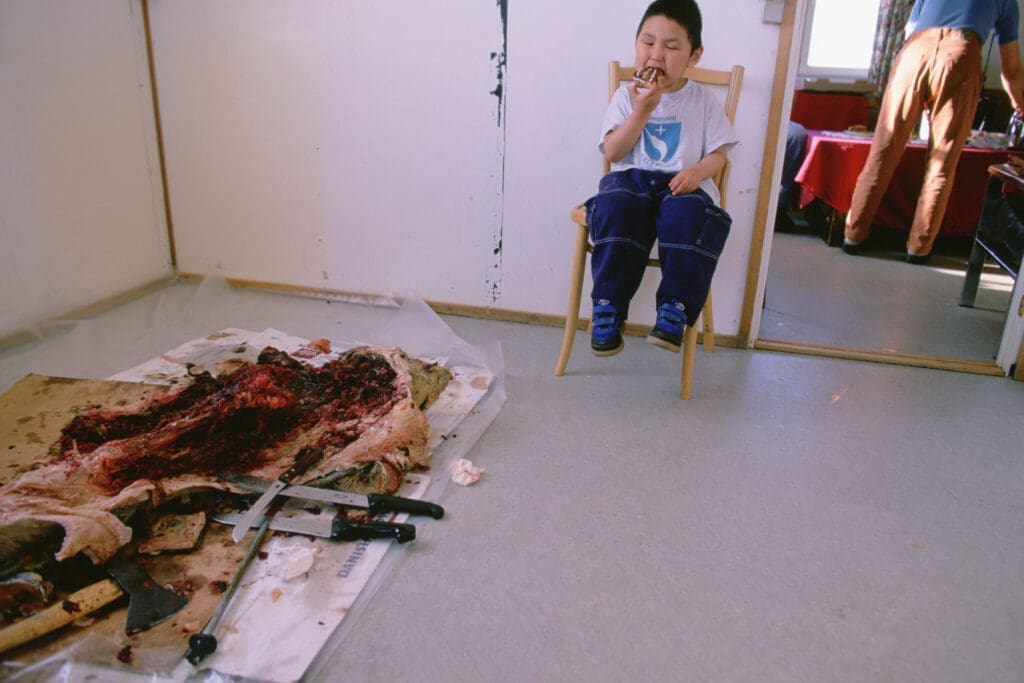
Kiviak is more than just a dish for the Inuit—it is a vital part of their cultural heritage and food history. Eating Kiviak is often reserved for special occasions, such as weddings, birthdays, and holidays like Christmas. These celebrations bring families and communities together, and sharing Kiviak during these events is a way of honoring Inuit traditions and history.
For the Greenlandic Inuit, Kiviak symbolizes resilience, survival, and the importance of communal living. The process of preparing and sharing Kiviak is a collective effort, with members of the community involved in hunting, preparing, and fermenting the dish. The social bonds created through this communal work are an integral part of Inuit life, where cooperation is essential for survival in a challenging environment.
Inuit elders often play a significant role in passing down the knowledge of Kiviak preparation. This generational transmission of knowledge ensures that the younger generations remain connected to their cultural roots, even as modern influences change the way people live in Greenland. Eating Kiviak is not just about consuming food; it is about participating in a living tradition that ties the present to the past.
9. Sustainability and Ethical Considerations
In an era of increasing concern about sustainability and ethical food sourcing, it’s important to consider how Kiviak fits into these conversations. The Inuit have long practiced sustainable hunting, taking only what they need from the land and sea. The little auks used in Kiviak are hunted in large numbers, but their populations are generally stable, and the birds play a crucial role in the diet of the Inuit, who have relied on them for centuries.
However, as climate change continues to impact the Arctic, the ecosystems that support both the little auk and the seals used in Kiviak could be at risk. Warmer temperatures could disrupt migratory patterns, reduce sea ice habitats, and lead to declines in the populations of these animals. These changes pose a challenge not only for Kiviak but for the entire Inuit way of life, which is closely tied to the rhythms of the natural world.
Efforts to preserve traditional Inuit foodways must therefore also include a focus on environmental sustainability. Protecting the Arctic ecosystem is essential for ensuring that future generations of Inuit can continue to hunt, prepare, and enjoy Kiviak as their ancestors did.
10. Where to Try Kiviak and the Ethics of Food Tourism
For those curious enough to want to try Kiviak, visiting Greenland is one of the only ways to experience the dish firsthand. It is a delicacy that is rarely, if ever, exported due to its traditional preparation methods and the challenges of safe transport.
Visitors to Greenland who wish to try Kiviak should do so with respect for Inuit culture and traditions. While food tourism can offer an exciting way to experience new cuisines, it is important to approach these experiences with an understanding of their cultural context. Kiviak is not just an exotic dish to be ticked off a list—it is a food deeply tied to Inuit identity and survival.
Some local guides and cultural tours in Greenland may offer the opportunity to try Kiviak, particularly if your visit coincides with a special celebration. However, because Kiviak is usually consumed in private or during family gatherings, it may not always be readily available to tourists.
11. Kiviak in the Global Discussion of Extreme Foods
As global food adventurism grows, Kiviak has found itself on lists of the world’s most unusual or extreme foods. It is often featured alongside other infamous delicacies like Iceland’s hákarl, Japan’s fugu, and Sweden’s surströmming. While these dishes may seem extreme or bizarre to those from outside cultures, they each represent an important aspect of local food traditions and the ways in which people adapt to their environments.
What makes Kiviak stand out, however, is the sheer audacity of its preparation and the visceral reactions it elicits. Eating whole, fermented birds with feathers intact is not something most people encounter in their daily lives. This sensory shock, combined with the pungent smell and strong taste, makes Kiviak an unforgettable experience for anyone brave enough to try it.
For some, the appeal of extreme foods like Kiviak lies in their rarity and the chance to experience something truly outside the norm. For others, the challenge is psychological—can you overcome your preconceived notions of what food should look and taste like in order to participate in a centuries-old tradition? Either way, Kiviak’s inclusion in exhibitions and documentaries focused on unusual foods has helped to bring attention to the unique culinary traditions of Greenland’s Inuit people.
Conclusion
Kiviak is far more than just an exotic food—it is a testament to human ingenuity and the ability to thrive in even the harshest environments. For the Inuit, it represents survival, cultural continuity, and the importance of tradition. While the dish may be challenging for outsiders, it is a cherished part of Inuit heritage, passed down through generations and celebrated during special occasions.
In a world where convenience and modern food systems have largely replaced traditional preservation methods, Kiviak serves as a reminder of the deep connections between food, culture, and survival. Whether you’re curious to try it or content to learn about it from afar, Kiviak is a fascinating example of how people adapt their diets to the world around them—and how these adaptations can become an integral part of a community’s identity.
Book tickets for the Disgusting Food Museum
If you have read this far, you are no doubt interested in disgusting food. Below you can book tickets for the Disgusting Food Museum to see a model of kiviak, as well as try a lot of other “disgusting” foods in the tasting bar.